
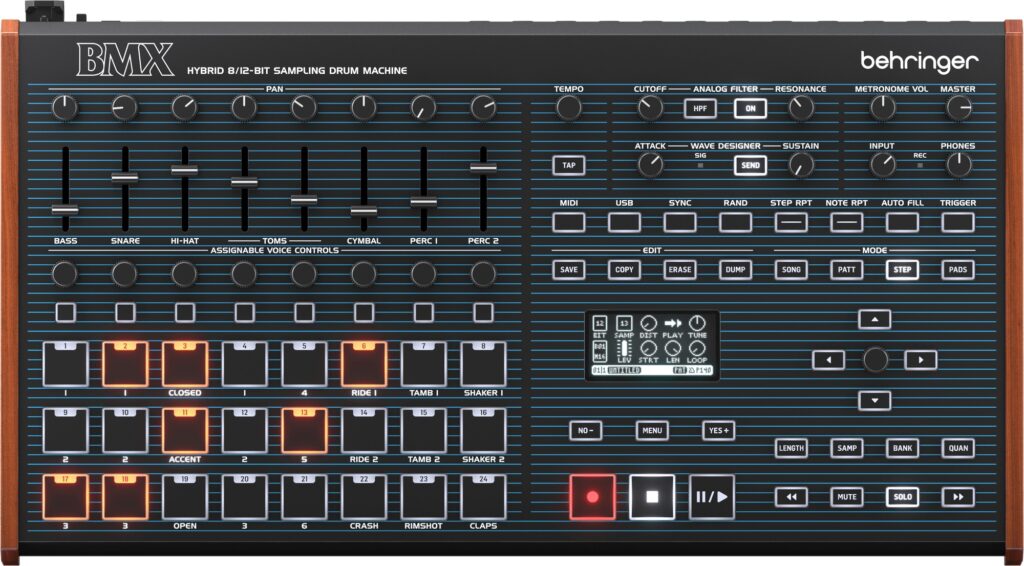
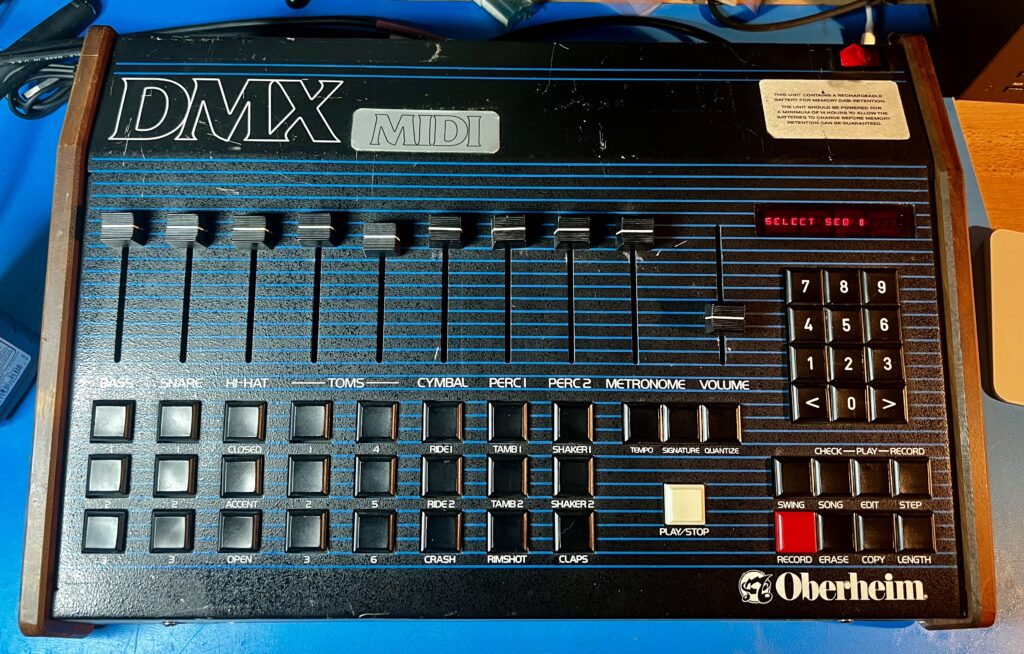
Classic drum machines never really disappear—they just wait for the right moment to come back around. In an era dominated by software instruments, cloud collaboration, and endless plug-in choices, there’s a renewed hunger for hands-on hardware that inspires creativity through limitation, immediacy, and character. That’s exactly why the release of the Behringer BMX has producers, synth fans, and retro gear lovers paying attention.
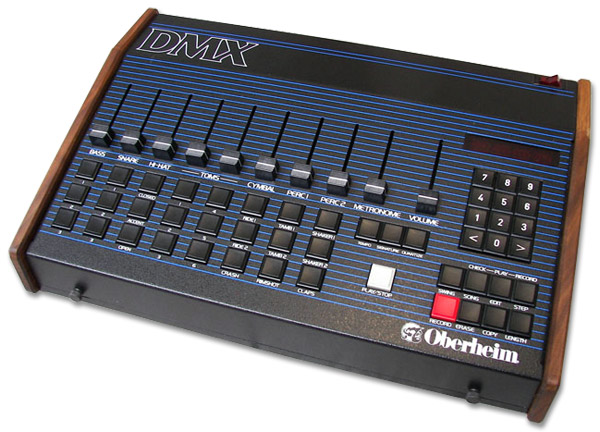
The BMX is a modern reinterpretation of one of the most iconic drum machines of all time: the Oberheim DMX. And its arrival feels perfectly timed, landing right in the middle of today’s hardware renaissance.
Why Classic Drum Machines Still Matter
Drum machines from the late ’70s and ’80s weren’t just tools—they were collaborators. With limited memory, fixed sounds, and simple sequencers, they forced musicians to make bold choices. Those constraints helped define entire genres, from early hip-hop to synth-pop and electro.
Today, producers have infinite options inside a DAW. Ironically, that abundance can slow down creativity. Hardware drum machines flip the script: they’re tactile, focused, and designed to be played, not endlessly tweaked. That’s why classic designs—whether original or reimagined—still matter so much.
A Brief History of the Oberheim DMX
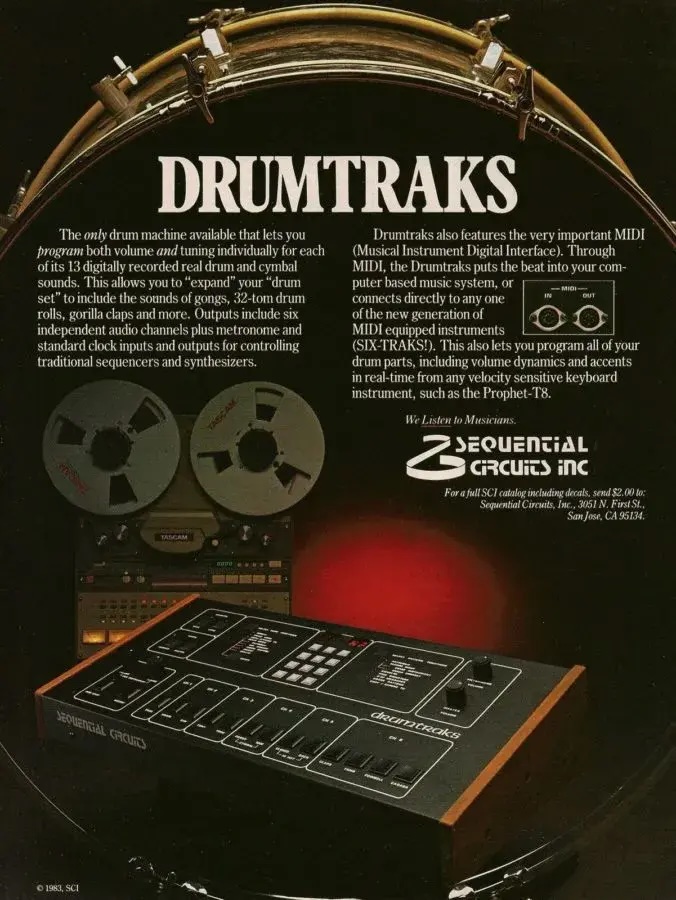
Released in 1981, the Oberheim DMX was revolutionary. Unlike earlier analog drum machines, it used digital samples of real drums, giving it a punchy, realistic sound that cut through mixes.
The DMX quickly became a cornerstone of early hip-hop, synth-pop, and electronic music. You can hear its unmistakable snap and thump across records by artists like Run-D.M.C., New Order, Prince, and countless early rap producers. Its rigid timing, bold sounds, and straightforward workflow helped define the rhythmic backbone of an era.
Today, original DMX units are rare, expensive, and often fragile—placing them out of reach for most modern producers.
Enter the Behringer BMX
The Behringer BMX is a modern clone inspired directly by the DMX, designed to capture its sonic character while making it affordable and practical for today’s studios. Built by Behringer, the BMX follows the brand’s familiar philosophy: bring legendary gear back to life at a price musicians can actually afford.
Clone gear has exploded in popularity over the last decade because it bridges the gap between nostalgia and reality. Instead of hunting down vintage hardware with failing components, producers can enjoy classic sounds in reliable, newly manufactured instruments—with modern connectivity to boot.
Key Features and Specs at a Glance
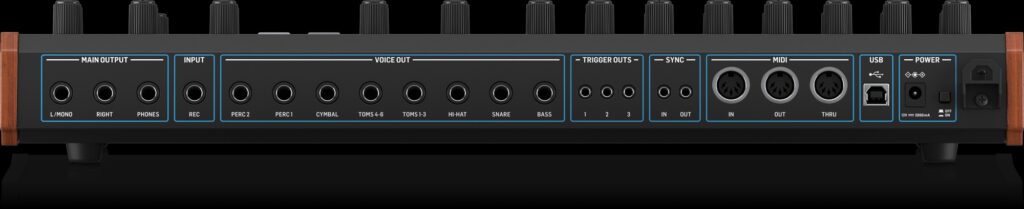
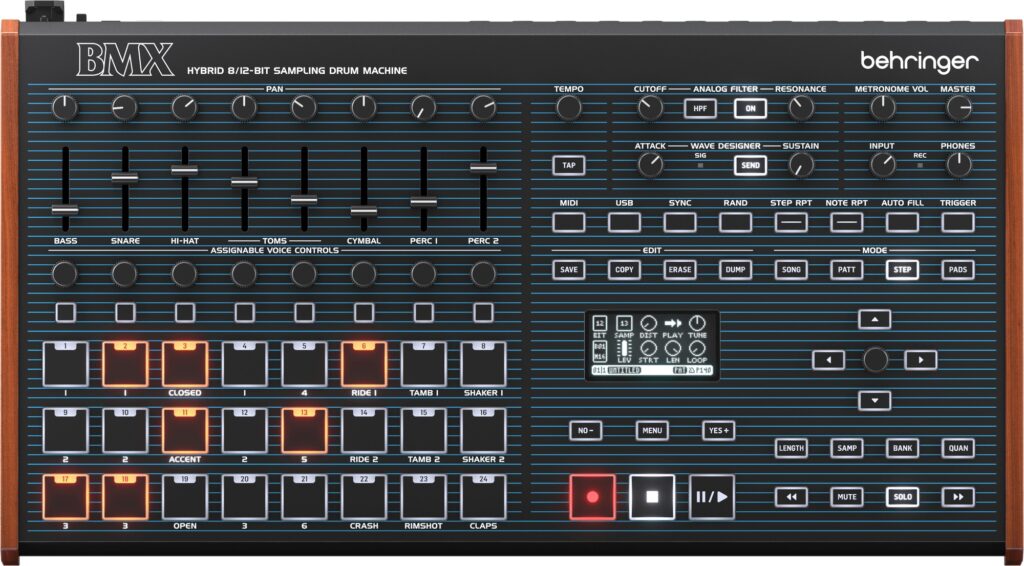
While final details may vary by region, the Behringer BMX is expected to land around $459, making it dramatically more accessible than an original DMX. Highlights include:
- Vintage-inspired sound engine modeled after the DMX’s iconic drum samples
- Classic layout and design cues, staying true to the original aesthetic
- Modern workflow updates, including improved sequencing and memory handling
- MIDI and USB connectivity for seamless integration with DAWs and modern hardware
- Individual outputs for detailed mixing and external processing
- Solid, road-ready construction suitable for studio or live performance
In short, it looks and feels like a vintage drum machine—but behaves like a modern one.
Who Is the BMX For?
The beauty of the BMX is how wide its appeal is:
- Bedroom producers who want authentic hardware vibes without vintage prices
- Hardware-first musicians building DAW-light or DAW-less setups
- Live performers looking for reliable, punchy drums on stage
- Retro gear fans and collectors who love the DMX sound but want modern reliability
It’s equally at home driving a hip-hop beat, anchoring an electro jam, or syncing with a modular rig.
Vintage Originals vs Modern Clones
There’s undeniable magic in owning vintage hardware—but it comes with trade-offs:
Vintage DMX
- Extremely expensive on the used market
- Aging components and limited repair options
- No modern connectivity without modifications
Modern Clones like the BMX
- A fraction of the price
- New components and warranty support
- MIDI, USB, and easy DAW integration
For most musicians, modern clones offer 90–95% of the vibe with 0% of the anxiety.
Behringer and the Democratization of Classic Gear
Behringer’s approach has sparked plenty of debate, but there’s no denying its impact. By recreating historically significant instruments at accessible prices, the company has opened doors for a new generation of musicians.
Instead of classic sounds being locked away in private studios or museums, they’re back where they belong: in active use, shaping new music. The BMX continues that mission, giving producers a direct line to early ’80s drum machine DNA without the barriers.
The BMX and Today’s Hardware Renaissance
We’re living through a renewed love affair with hardware. Grooveboxes, synths, and drum machines are once again central to modern workflows, not as replacements for software—but as creative partners.
The Behringer BMX fits neatly into this moment. It honors a legendary machine, respects modern production needs, and invites musicians to engage with rhythm in a more physical, intuitive way.
What do you think? Is the BMX a must-have modern classic, or do vintage originals still reign supreme? Join the conversation—because drum machine history is still being written.