Yamaha DXR Mk3: A Major Upgrade for Live Sound Professionals and DJs

Yamaha has officially rolled out the DXR Mk3 series — the latest generation of Yamaha PA speakers built for live music, DJs, and event production — alongside a matching line of DXS Mk3 powered subwoofers. The new lineup is already shipping through authorized Yamaha dealers nationwide, giving musicians, DJs, and live sound engineers a fresh option built around more amplifier headroom, deeper DSP control, and wireless management from a phone.
For anyone running a portable rig — a wedding DJ setup, a touring band’s backline, a house of worship’s Sunday system, or a rental company’s fleet — the real question is what actually changed, and whether it’s worth the upgrade.
Here’s a full breakdown of the Yamaha DXR Mk3 series: what’s new, how the specs stack up, and who this professional PA system makes the most sense for.
What’s New in the Yamaha DXR Mk3 Series
Rather than reinvent the platform, Yamaha refined nearly every part of it for this third generation. The headline upgrades:
- A new 2,000-watt Class-D amplifier in every model
- 96 kHz internal DSP with Advanced FIR-X Tuning for smoother, more consistent phase response
- Maximum output up to 134 dB SPL
- A full-color LCD display with onboard preset storage
- Automatic orientation detection that re-tunes the DSP for front-of-house or monitor use
- Wireless setup and control through the new D-Remote app
Individually, none of these is a radical departure from the outgoing mk2 generation. Together, they add up to a system that’s faster to set up and more forgiving for anyone running sound without a dedicated engineer on hand.
Three Cabinet Sizes, One Amplifier Platform
The DXR Mk3 series comes in three sizes, each sharing the same 2,000-watt Class-D amp platform and a lightweight, form-injection molded enclosure:
- DXR15 mk3 — 15" woofer, 1.75" compression driver, up to 134 dB SPL
- DXR12 mk3 — 12" woofer, 1.75" compression driver, up to 134 dB SPL
- DXR10 mk3 — 10" woofer, 1.75" compression driver, up to 132 dB SPL
All three are 2-way, bi-amped designs. Each uses a large-diameter horn for tighter directivity control, along with optimized port positioning that cuts down on standing-wave coloration inside the cabinet.
Smarter DSP for Cleaner, More Predictable Sound
Digital signal processing has become one of the most important differentiators in modern powered speakers, and it’s clearly where Yamaha put a lot of the DXR Mk3’s engineering budget.
The series runs on 96 kHz internal DSP with Advanced FIR-X Tuning, plus a set of presets built around specific jobs — front-of-house, monitor wedge, DJ, live music, and speech — along with automatic orientation detection that switches processing modes depending on whether a cabinet is standing upright as a main or lying flat as a monitor.
Engineers can also recall room-specific presets, which matters most for rental companies and touring crews cycling through different venues on a schedule.
For events without a front-of-house engineer at all, that shift moves a lot of the guesswork out of the setup.
Higher Output Without Sacrificing Clarity
Raw volume isn’t the whole story — a powered PA system also needs to stay clean and controlled as it’s pushed toward its limits.
Yamaha rates the DXR15 mk3 and DXR12 mk3 at up to 134 dB SPL, with the DXR10 mk3 close behind at 132 dB. That headroom is backed by the new 2,000-watt amplifier platform and a cabinet designed specifically to reduce unwanted resonance.
Whether it’s a live band, a wedding reception, or an outdoor festival stage, holding a clean signal at higher SPL is usually worth more in practice than simply having more volume on tap from a set of powered PA speakers.
Meet the DXS Mk3 Subwoofers
Alongside the tops, Yamaha introduced the DXS Mk3 series of powered subwoofers in three matching sizes: the DXS18 mk3, DXS15 mk3, and DXS12 mk3.
Each runs on a newly developed 2,500-watt Class-D amplifier feeding a long-excursion bass cone — a 4-inch voice coil on the DXS18 mk3, a 3-inch voice coil on the two smaller models. Cabinets are built from acoustically-optimized plywood with a scratch-resistant Polyurea coating, which matters for anything getting loaded in and out of a van every weekend. Depending on size, output reaches up to 132–134 dB SPL to match the corresponding DXR Mk3 top.
Other notable features on the Yamaha DXS Mk3 series:
- Switchable D-XSUB processing that extends low-frequency output down to between 38 Hz and 32 Hz
- Cardioid mode with two or more subs, pushing more output toward the audience while cutting stage-side bleed for cleaner monitoring
- Flexible crossover settings for tuning the handoff with DXR Mk3 tops
Paired with the DXR Mk3 tops, the DXS Mk3 rounds out a complete, matched system for anything from a DJ booth to a full band stage.
D-Remote: Wireless Control for the Whole Rig
One of the most practical additions across the line is Yamaha’s D-Remote app for iOS and Android.
Instead of walking back and forth between cabinets during soundcheck, D-Remote lets one person adjust levels, EQ, presets, and routing — and monitor system status — from a phone over Bluetooth. The app can manage up to 10 speakers from a single device, which covers most club, house of worship, or mid-size event rigs without extra hardware.
Every cabinet also keeps its own rear-panel LCD and encoder for standalone control, so the app is an option rather than a requirement.
Who the Yamaha DXR Mk3 Is Built For
The DXR Mk3 lineup isn’t built around a single type of user. As a set of live sound speakers, it’s designed to flex across several very different jobs:
Live Bands
High headroom and detailed vocal reproduction make the series well suited to live music, from small clubs to festival support slots.
Mobile DJs
Portable, powerful, and fast to deploy — a strong fit for wedding and private-event DJ speakers that need to go from the van to the dance floor in minutes.
Houses of Worship
Speech-focused DSP presets and automatic orientation detection help keep spoken word intelligible without a dedicated engineer running the board every Sunday.
Rental Companies and Touring Crews
Durable cabinets, room-specific preset recall, and D-Remote fleet management make it easier to standardize gear across multiple events and venues.
Corporate and Conference Events
Fast setup and consistent performance matter more than raw output for presentations, panels, and general session audio.
Part of a Bigger Shift in Portable PA
The DXR Mk3 launch tracks with where the rest of the professional PA speaker market is heading: more onboard DSP, more wireless control, lighter enclosures, and faster deployment — rather than simply chasing louder specs.
That shift has turned the modern powered PA speaker into a genuinely portable sound system in its own right, not just a scaled-down version of a concert rig.
For working audio professionals, those workflow gains — less time tuning, less time troubleshooting, more consistent results from one venue to the next — are often just as valuable as raw performance improvements.
Is the Yamaha DXR Mk3 Worth It?
Yamaha’s own team frames the update around reliability as much as raw specs.
“DXR mk3 delivers the clarity, control and reliability professionals expect,” says Andres Franco, Yamaha’s senior product marketing specialist for pro audio, in the company’s launch announcement.
If you’re already running an older DXR or DXR mk2 rig, the mk3 generation reads as a meaningful refresh rather than a reason to panic-upgrade — the core sound signature carries over, with real gains in DSP flexibility, output headroom, and setup speed. If you’re shopping for your first professional PA system, the combination of portability, wireless management, and a 7-year Yamaha warranty makes it one of the safer bets in the powered PA speakers category right now.
The DXR Mk3 series is available now through authorized Yamaha dealers nationwide.
Related Gear for a Complete Live Sound Setup
A powered PA system is rarely the whole story. If you’re building a live sound or DJ rig around the DXR Mk3 and DXS Mk3, consider pairing it with:
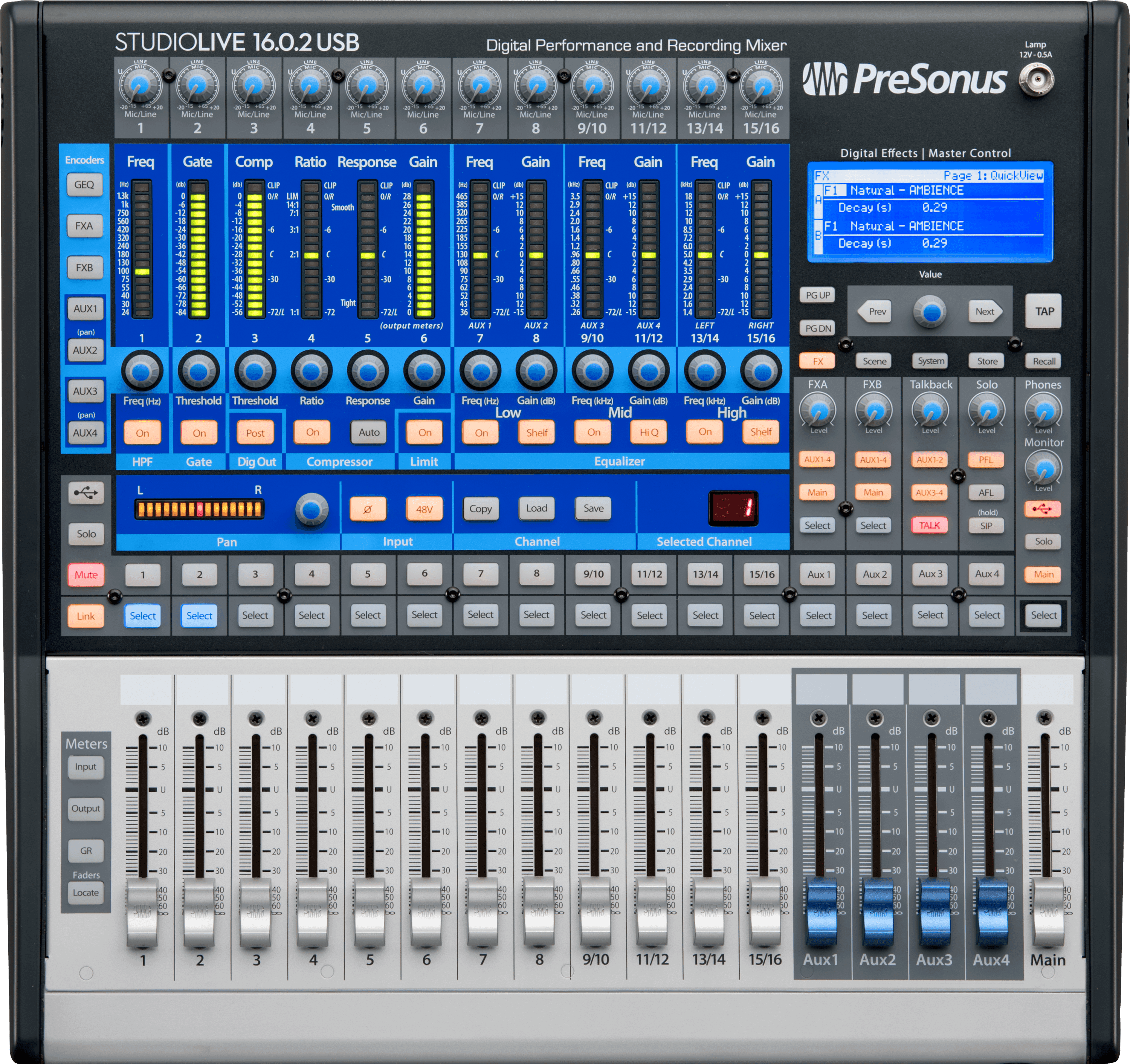
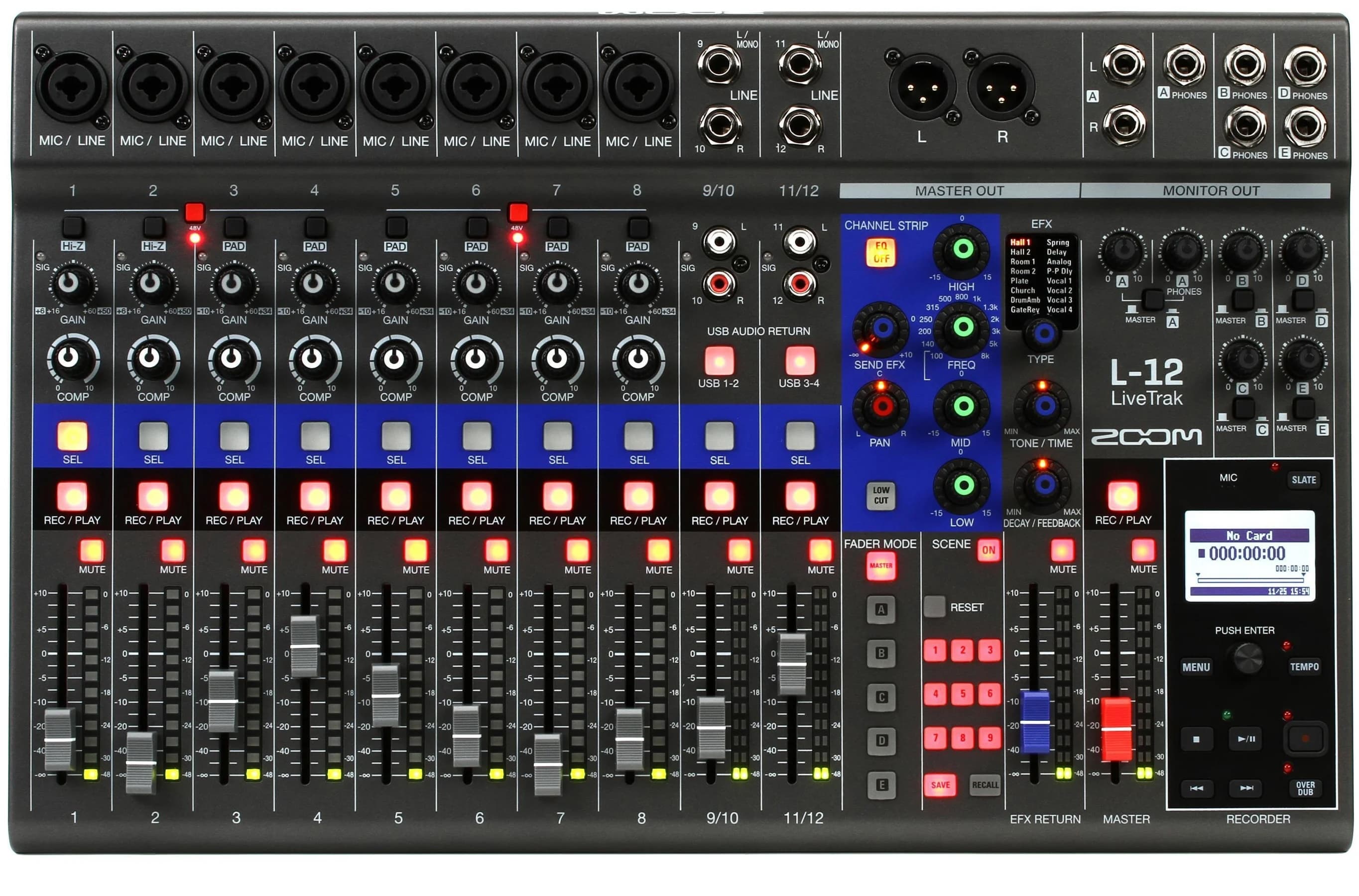
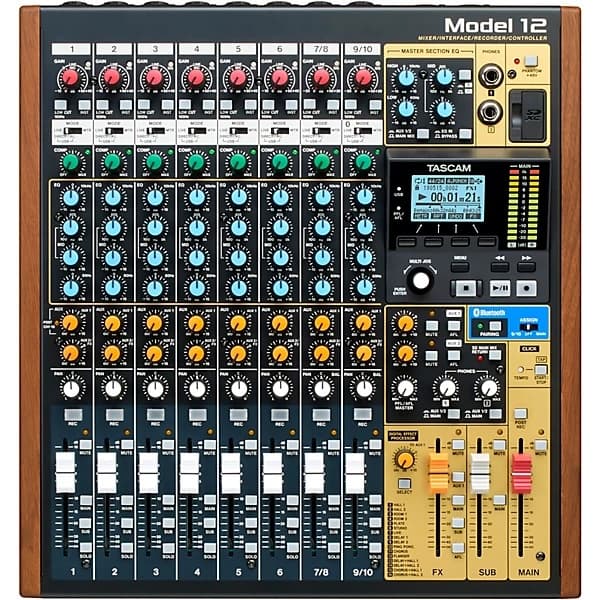
- A digital mixer for FOH control
- Wireless microphone systems for vocals and speech
- Dynamic vocal microphones for stage use
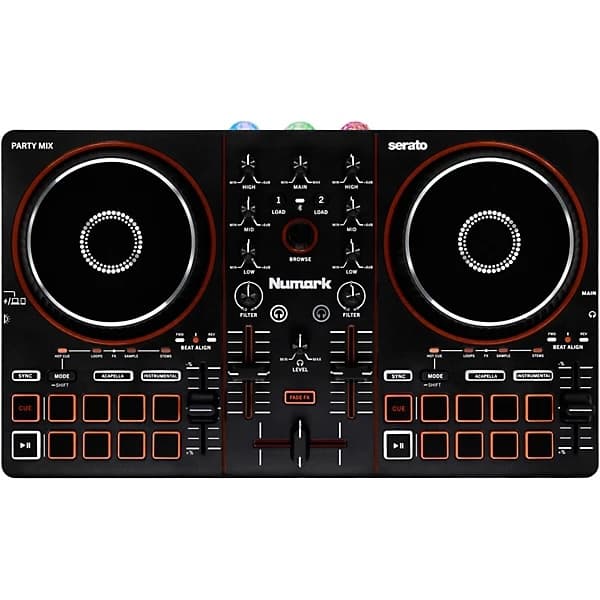
- DJ controllers and interfaces
- Studio and live monitoring headphones
- XLR cables and stage snakes
- Speaker stands, poles, and protective transport cases
A well-rounded setup around these speakers means less troubleshooting on show day and a faster load-in every time. Browse our music gear lineup for mixers, microphones, cables, and the rest of the rig.
Frequently Asked Questions
What is the Yamaha DXR Mk3?
The Yamaha DXR Mk3 is the third generation of Yamaha’s popular DXR powered loudspeaker series, built for live music, DJs, corporate events, and professional sound reinforcement. It ships in three sizes — DXR15 mk3, DXR12 mk3, and DXR10 mk3 — each with up to 132–134 dB of maximum output.
What’s new compared to previous DXR models?
The Mk3 generation adds a 2,000-watt Class-D amplifier, 96 kHz DSP with Advanced FIR-X Tuning, automatic orientation detection, a full-color LCD display, and wireless control through the new D-Remote app — plus a redesigned matching subwoofer line, the DXS Mk3.
Who are the Yamaha DXR Mk3 speakers designed for?
They’re built for musicians, mobile DJs, rental companies, houses of worship, touring crews, and corporate AV professionals who need a portable PA system that can be set up quickly without a full production crew.
Can the DXR Mk3 be controlled remotely?
Yes. Yamaha’s D-Remote app for iOS and Android connects over Bluetooth and can manage up to 10 speakers from one device, letting a single person adjust levels, EQ, presets, and routing without walking to each cabinet.
Does the Yamaha DXS Mk3 subwoofer work with the DXR Mk3 speakers?
Yes. The DXS Mk3 subwoofers — available in 12", 15", and 18" sizes — are designed to pair directly with the DXR Mk3 tops, with matching crossover settings and a cardioid mode for tighter bass control on stage.